
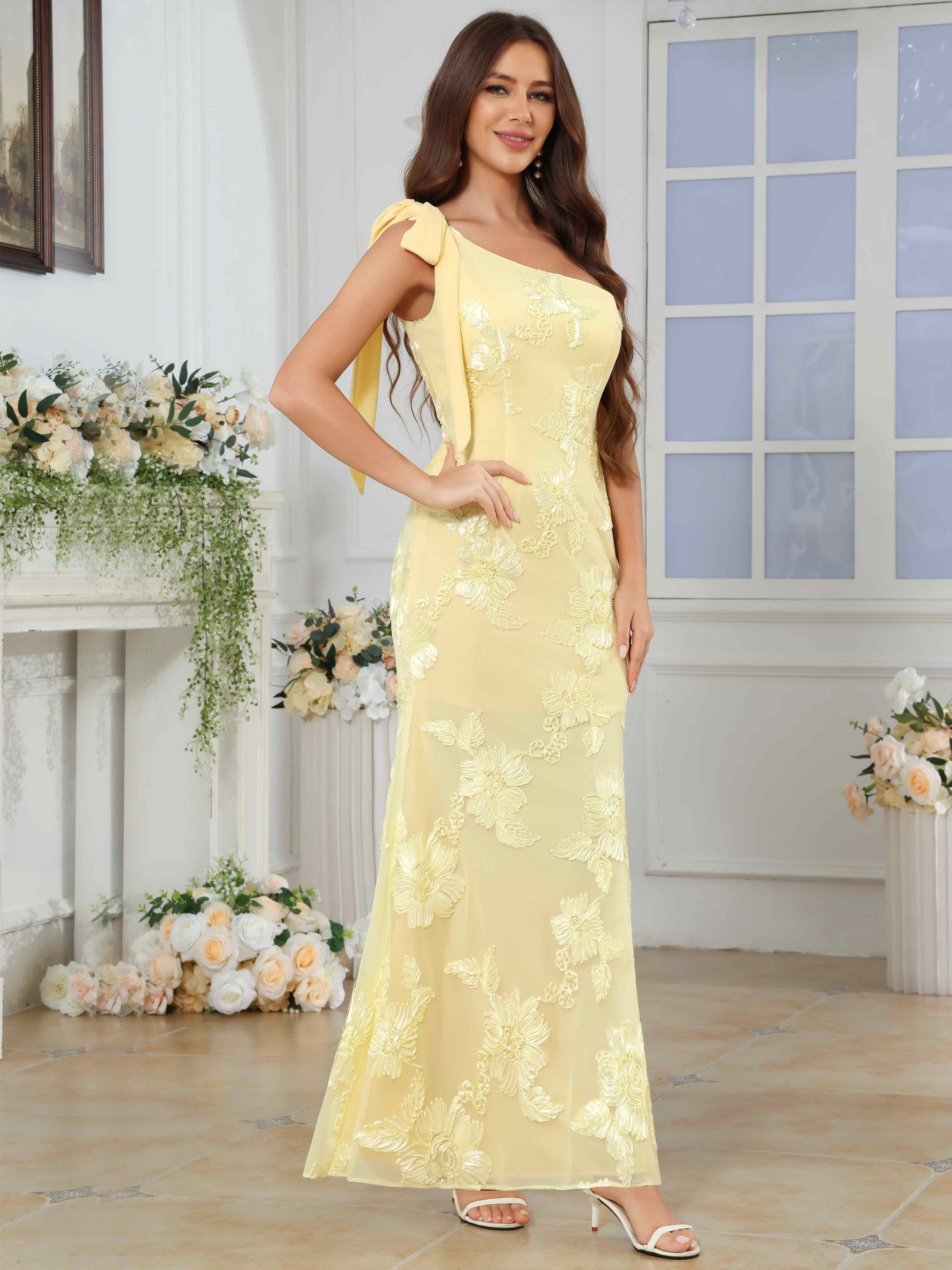
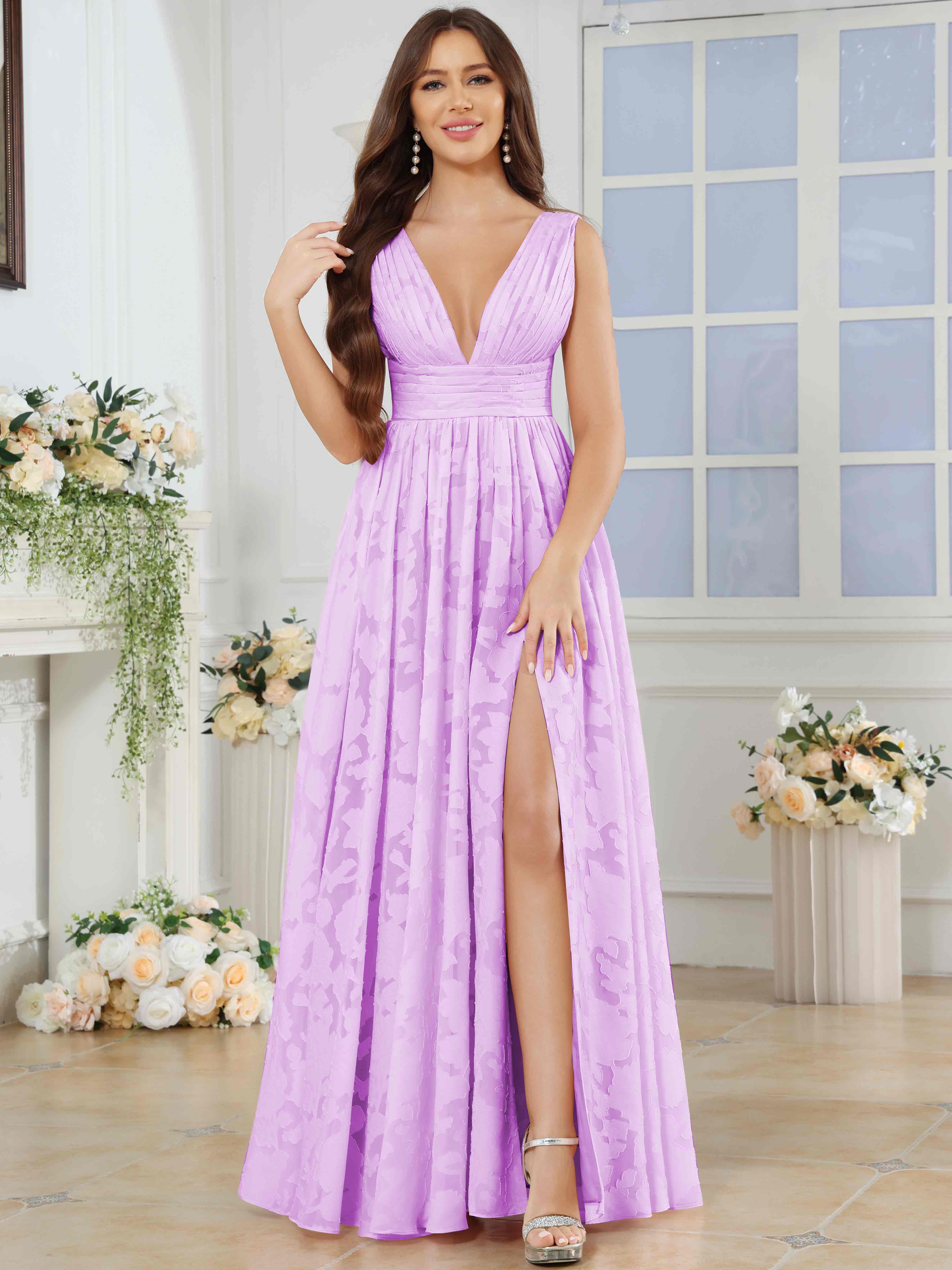
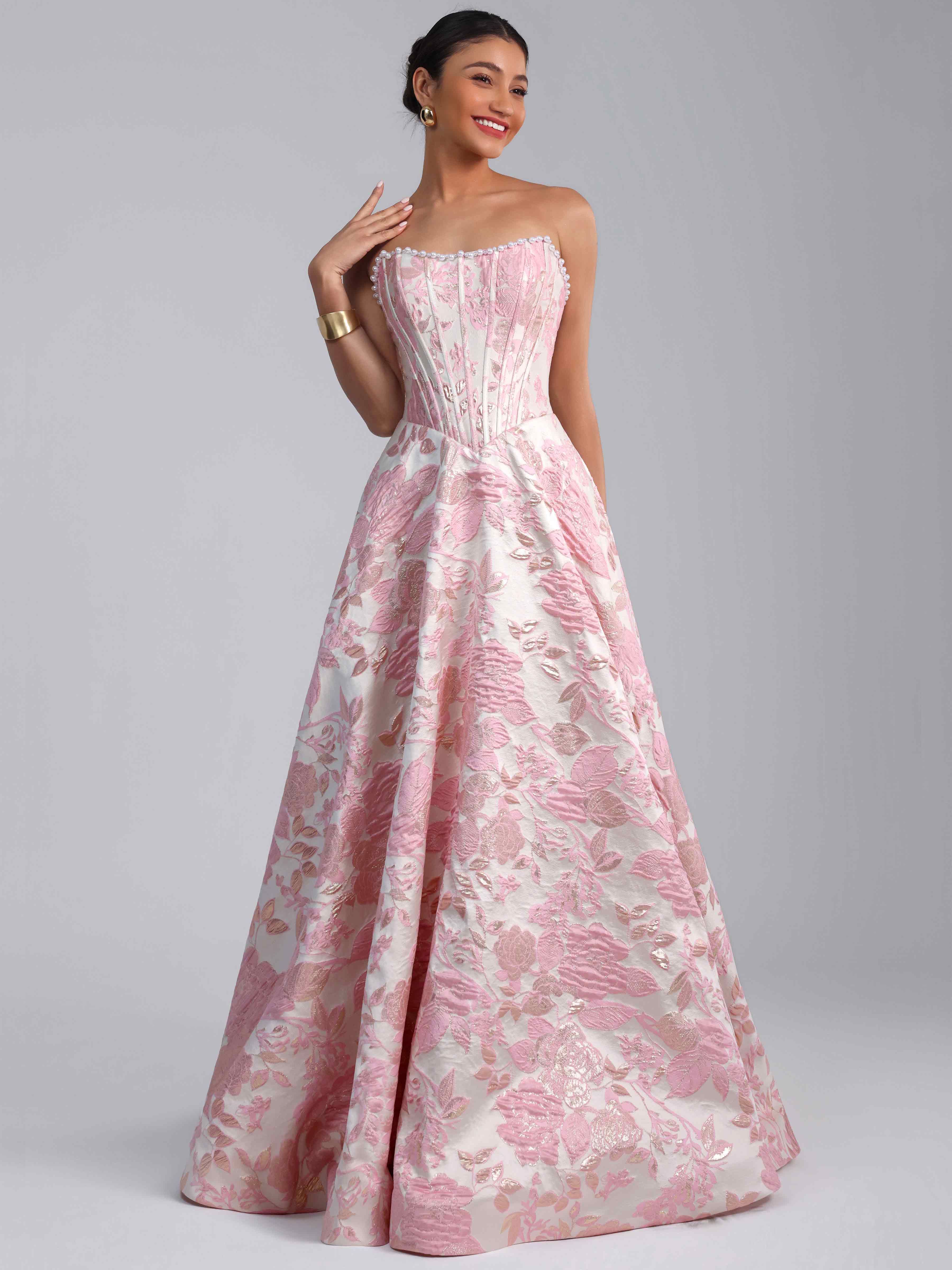
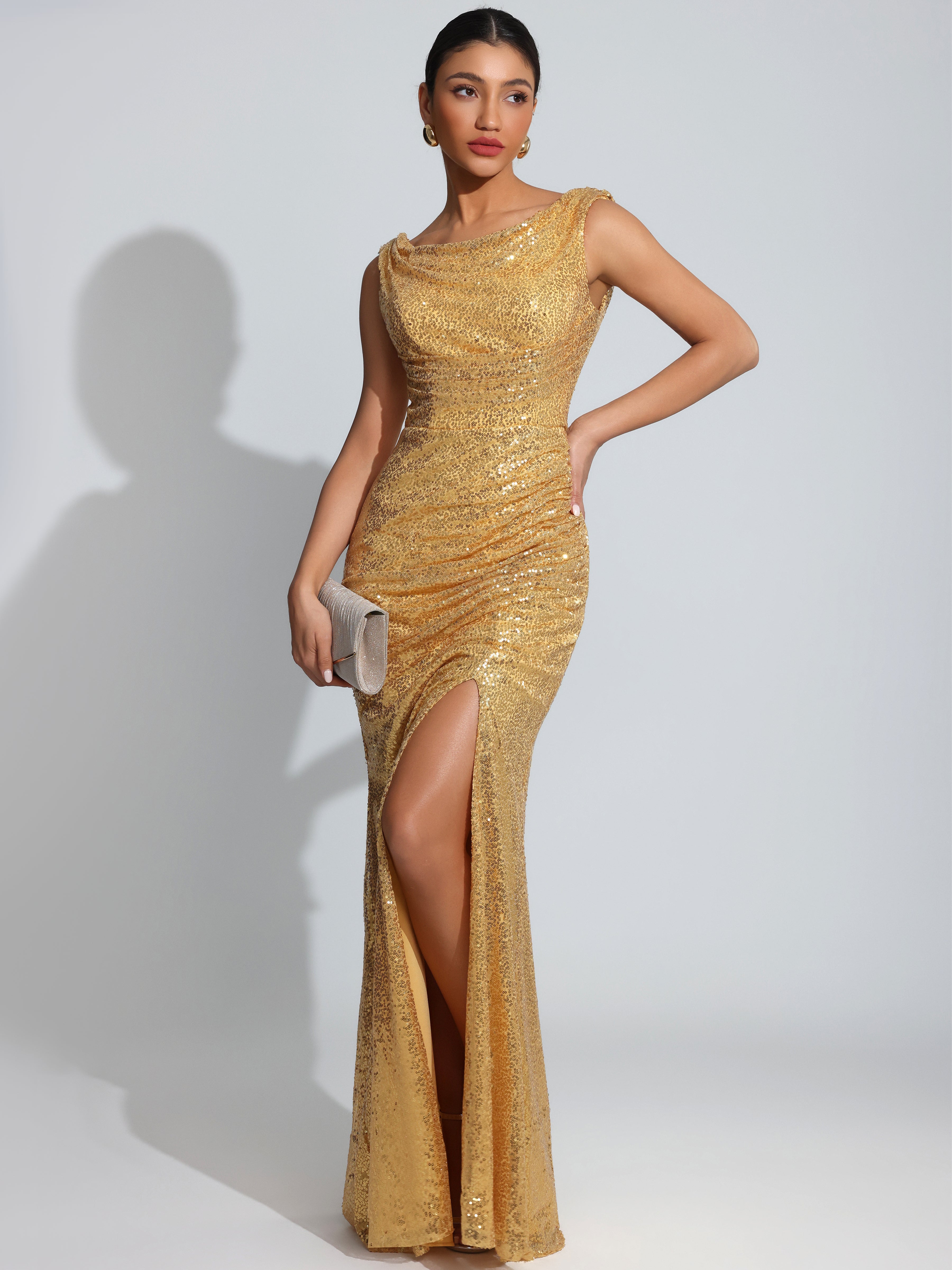
Picking one dress color for a whole bridal party is hard enough. Add four different skin tones, a venue you have never visited, and a season that already dictates the flowers and the photos, and the decision can stall before it starts. This guide covers what works season by season, how to factor in skin tone without overthinking it, and how to blend shades so the party looks coordinated instead of identical.
Color Guidance for Every Season
Let the season set the mood of your wedding before a single flower is chosen, and let it steer the palette too.
Spring
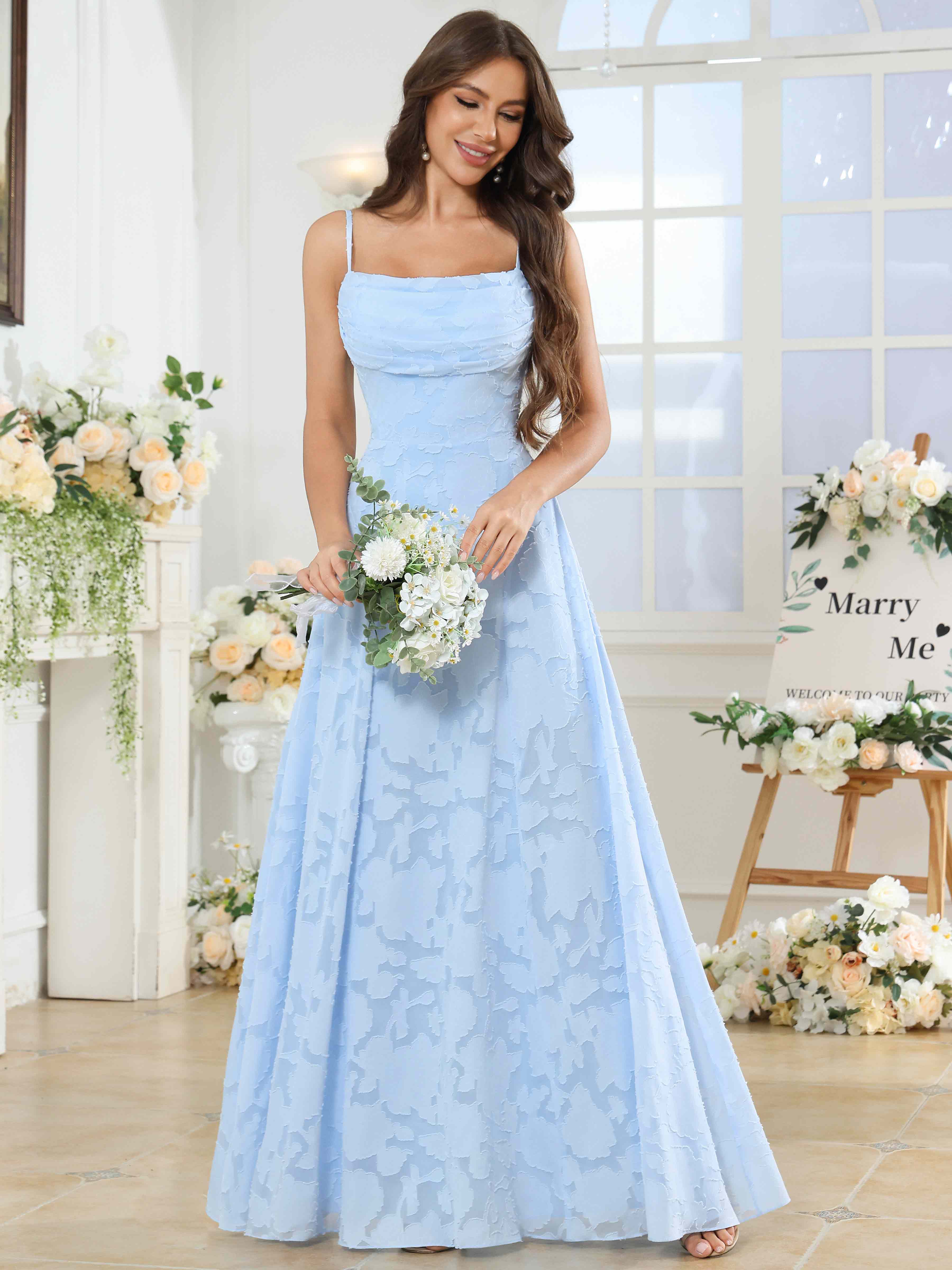
Spring weddings call for colors that feel like the first clear day after winter. Soft, airy tones read beautifully against blooming landscapes and morning light. Our dusty blue bridesmaid dresses are a natural fit for garden and greenhouse venues, and sage green sits comfortably next to almost any bouquet of greenery and white blooms. If your party wants variety, keep the shades light and let each bridesmaid pick her own neckline in the same color family.
Summer
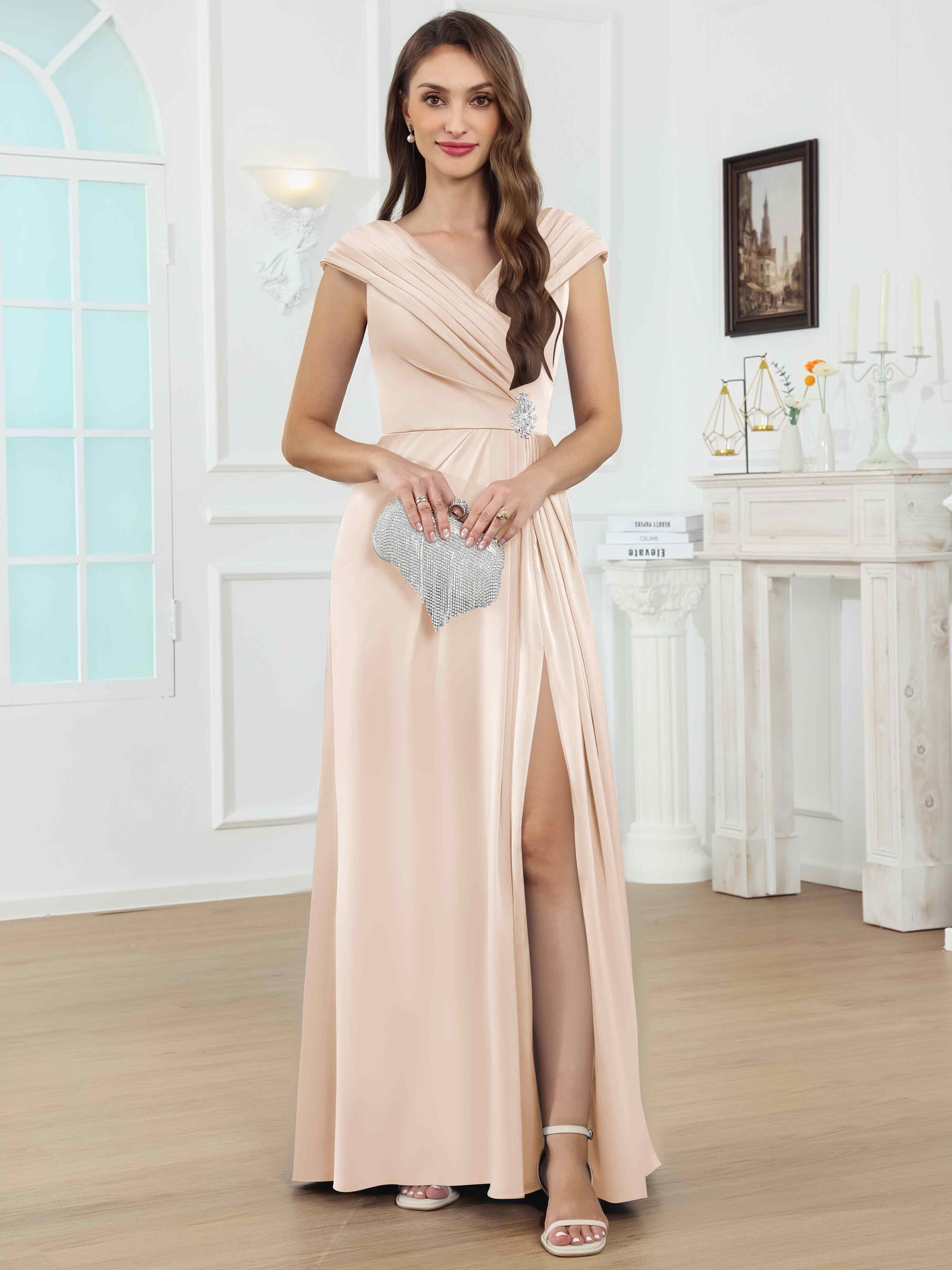
Bright sunlight does strange things to color: pale shades can wash out in midday photos, while saturated hues hold up under a clear sky. Warm-weather weddings lean toward sun-washed neutrals and clear, cheerful tones. Champagne reads elegant at an outdoor ceremony without competing with the bride, and it pairs naturally with tan, gold, and greenery. For a beach or lakeside setting, cooler tones echo the water and stay crisp in photographs. Summer also means heat, so favor breathable weaves like chiffon, which keeps the color looking light instead of heavy.
Fall
Autumn rewards depth. This is the season for colors with weight: wine, rust, mustard, forest, and chocolate brown all sit naturally against changing leaves and candlelit receptions. Deep tones photograph richly as the light turns gold in late afternoon. If your venue is a barn, a vineyard, or a historic ballroom, a deeper palette anchors the space instead of disappearing into it. Our burgundy bridesmaid dresses in particular travel well through the whole year, so burgundy is a smart pick if your party wants a color they will wear again.
Winter
Winter weddings can go two directions, and both work. Deep jewel tones, evergreen, and midnight navy feel formal and festive, perfect for an evening celebration. Or commit to a true monochrome look: black bridesmaid dresses against white florals and candlelight look striking and modern. Skip dusty pastels here; they tend to fall flat under gray skies and warm indoor lighting. Satin and other smooth finishes catch low winter light better than matte fabrics, so consider the texture along with the hue.
Skin-Tone Tips Worth Following
The best palette flatters the whole party, not just the photographs. A few rules keep you out of trouble:
- Match undertone, not skin color. Warm undertones (skin that turns golden in the sun) glow in coral, rust, champagne, and olive. Cool undertones (skin that burns or turns pink) suit dusty blue, plum, and true red. Neutral undertones handle almost anything.
- Test in daylight. Hold fabric near each bridesmaid's face under a window. Indoor store lighting hides muddy tones that show up immediately in photos.
- Watch out for extreme contrast. Very pale shades can wash out deeper skin, and very dark shades can drain lighter complexions. Mid-tone and saturated colors are the safe middle ground when a party disagrees.
- Give people an escape hatch. If one color does not work for someone, let her wear the same shade in a different fabric or a deeper tone from the same family.
Mixing Shades Across the Bridal Party
Matching everyone exactly is the simplest route, but a mixed palette is the more forgiving one: bridesmaids pick necklines they actually like, and the photos gain depth. The trick is structure. Choose one of three approaches:
- One color, many silhouettes. Same shade, different dresses. The most controlled version of a mismatched look.
- A tonal gradient. Three shades from one family, arranged light to dark across the group. Works especially well in fall and winter palettes.
- A hero color plus neutrals. Two or three bridesmaids in the accent shade, the rest in champagne, dove, or soft gray. Keeps the color present without overwhelming the room.
Whichever route you take, unify the party with one constant: fabric, silhouette family, or a shared accessory. Fabric matters more than people expect, because the same color in satin and chiffon will read as two different colors. When in doubt, order swatches and look at them together in the actual ceremony space.
How the Details Reinforce the Color
Color does not work alone. Bouquets, ribbons, jewelry, and the mothers' dresses all pick up whatever hue you choose, so loop those in early. Soft greens and white blooms keep pastels looking fresh, while berries, eucalyptus, and dried grasses deepen a fall palette. Metallics are the easiest bridge: gold warms a palette, silver cools it, and either one ties mismatched shades together without adding another color to the mix.
It also helps to decide how formal the color should feel. Deep, saturated shades read dressy in any season, while lighter tones lean casual unless the fabric and silhouette dress them up. If your party spans different ages and styles, a mid-tone shade with some depth is the most flexible choice; it holds up in daylight photos, flatters a wide range of complexions, and still looks appropriate at an evening reception.
A Quick Check Before You Commit
Run through four questions. Does the color suit the season and the light in your venue? Does it flatter the people who will wear it? Does it coordinate with the florals and the bride's gown without matching them exactly? And will anyone wear it again? If you can answer all four, you have your color.
Final Thoughts
The right bridesmaid color does not win on its own; it makes the whole wedding look considered. Start with the season, sanity-check it against skin tones, then decide how much variation you want across the party. Order swatches before you commit, view them in daylight, and trust the palette that still looks right when everyone is standing together.